
What Regenerative Farming Means at Okanagan Crush Pad
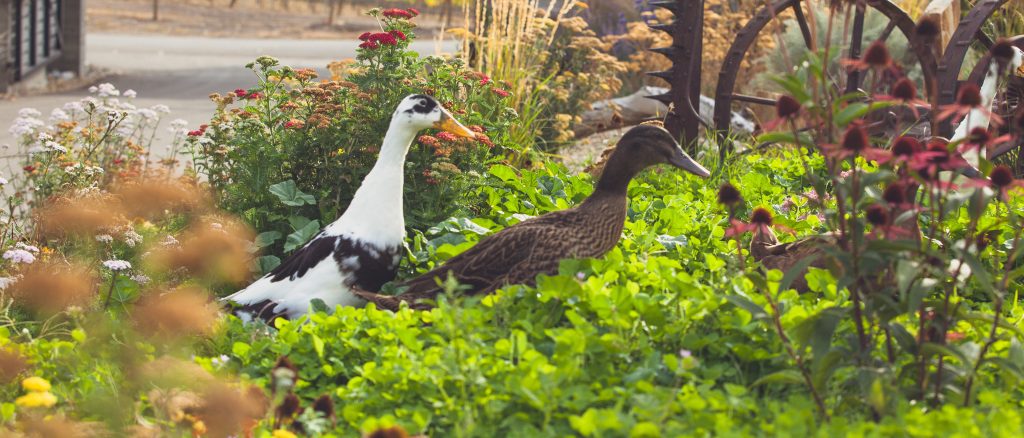
How thoughtful farming, biodiversity, and patient winemaking shape wines of place in Summerland, BC
At Okanagan Crush Pad, farming is more than growing grapes. It is a long-term commitment to caring for the land, protecting biodiversity, and building healthier vineyard ecosystems for future generations.
Regenerative farming is one of the ways we put that commitment into action. It looks at the bigger picture: how we can improve soil health, encourage biodiversity, support wildlife, and farm in closer harmony with nature.
For us, regenerative farming is not a trend. It is part of how we think about wine, land, and responsibility in the Okanagan Valley.
What is regenerative farming?
Regenerative farming is an approach to agriculture that aims to improve the health of the land over time. Instead of treating a vineyard as a single crop in isolation, regenerative farming looks at the whole ecosystem: soil, plants, insects, animals, water, native habitat, and people.
In a vineyard, this can include building healthier soils, reducing reliance on outside inputs, encouraging beneficial insects, planting diverse crops, protecting native habitat, and creating space for wildlife. The goal is not just to sustain the land as it is, but to help it become more resilient, diverse, and alive.
At OCP, regenerative practices focus on thoughtful plant nutrition and weed control, as well as the preservation and stewardship of the lands we farm.
Regenerative Farming at Garnet Valley Ranch
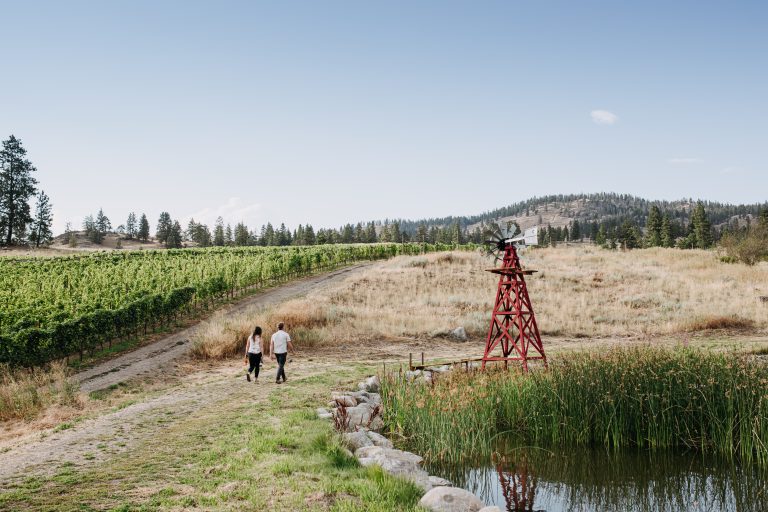
Garnet Valley Ranch is one of the clearest expressions of this philosophy. The 320-acre property in Summerland is home to vineyards, vegetable plots, lavender fields, a bee farm, wildlife corridors, ponds, and untouched native habitat. It is a showcase for sustainable site development: a place where commerce and nature can live in harmony, and where guests can learn why regenerative farming matters.
The ranch’s positioning is rooted in the belief that biodiverse farming supports wine quality and helps protect the viability of the land for generations to come. Its stewardship commitment is to nurture and regenerate soil, respect and protect native ecosystems, and farm in harmony to cultivate excellence.
This is not just a philosophy on paper. Garnet Valley Ranch is cultivated in carefully planned plots surrounded by native habitat. Its story speaks to minimal-impact infrastructure, sustainable regenerative farming, a biodiversity of crops, and the needs of the creatures that share the land.
Biodiversity is part of the farming plan
A healthy vineyard is not a monoculture. It is part of a living system.
At Garnet Valley Ranch, biodiversity shows up in practical ways: vegetable fields, lavender, a pond that encourages birdlife, land dedicated to nature conservation, and former grazing areas returned to natural habitat. The long-term goal is a more diverse farm system where ground crops, tree fruits, vines, animals, native habitat, and people can coexist.
Free Form’s brand story highlights the same land-based approach. At the 320-acre Garnet Valley Ranch, vines share the site with field crops and a lavender farm. A restored stream has formed a small lake teeming with birds, wildlife corridors allow deer, coyotes, and bears to move through the property, and land adjoining Eneas Creek has been restored from hayfields to native habitat.
Farming with beneficial insects
Regenerative farming also means working with nature’s own systems whenever possible.
In the vineyard, OCP uses integrated pest management, including the release of ladybugs and praying mantis eggs. These beneficial insects help control pests such as leafhoppers and aphids by feeding on them naturally. We also plant flowers that attract harmful insects away from the vines, creating a more balanced vineyard environment.
This approach supports vine health without relying on harsh interventions. It is quieter, more patient, and more connected to the natural rhythms of the vineyard.
Feeding the vines, not forcing them
Soil and plant health are at the heart of regenerative farming. Rather than forcing the vineyard, OCP’s approach focuses on nourishing vines and supporting the living systems around them.
This reflects a broader ‘less is more’ philosophy that also carries into the cellar. Haywire’s brand story describes wines made with a gentle hand, allowing each vintage to express its own personality and reflect the natural setting of the Okanagan.
Why it matters for wine
Regenerative farming is not separate from wine quality. It is part of it.
Healthy soils, diverse ecosystems, and thoughtful farming all contribute to grapes that speak more clearly of place. Garnet Valley Ranch’s brand materials connect sustainable farming craftsmanship and meticulous winemaking with wines that celebrate the site’s rare cool-climate mountain setting.
For Free Form, this connection between land and wine is especially direct. The brand is built around sustainably farmed grapes, native yeast, no additives, and wines that offer a snapshot of place and time. Its story says the wines are what our land yielded that particular year, with each wine an original.
Three wines shaped by OCP vineyard stewardship
The clearest way to understand regenerative farming is to taste wines grown from places where biodiversity, soil health, and thoughtful stewardship guide the work. These three wines connect the farming story to what ends up in the glass.
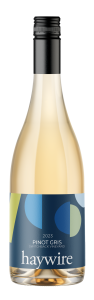
2023 Haywire Switchback Pinot Gris
From Switchback Vineyard, this Pinot Gris was whole cluster pressed, fermented naturally, and aged in concrete tanks and large foudre.
Eleven months on lees with constant stirring delivered structure, minerality, and texture. Aromas of apricot and honeycomb lead to bright flavours of white peach and lemon zest, carried by lively acidity.
Why it belongs in this story: it shows the Haywire ‘less is more’ approach in action, pairing careful vineyard work with gentle winemaking so the wine can express its place.
Pairing: creamy cheeses, roast poultry, or other light meats.
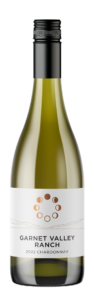
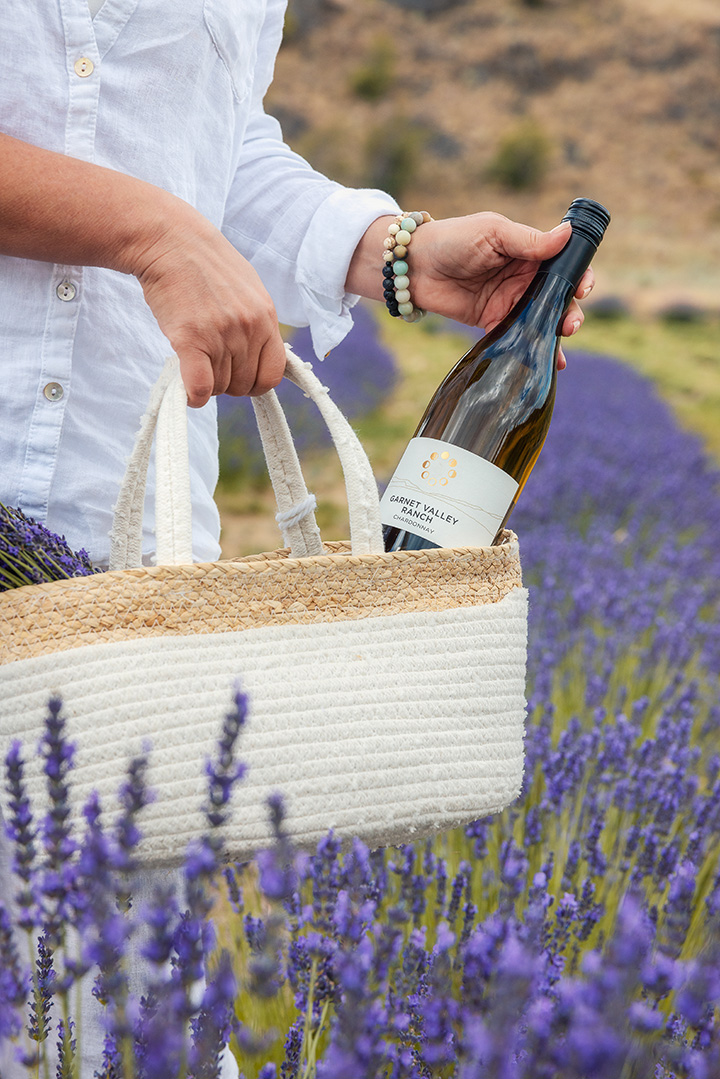
2022 Garnet Valley Ranch Chardonnay
Estate-grown Chardonnay from Garnet Valley Ranch was whole cluster pressed and fermented in concrete tanks, then aged in a combination of concrete and stainless steel.
The wine shows golden straw hues, rich tropical fruit, lees character, grapefruit pith, melon, pineapple, citrus, stone fruit, and a lush minerality. The palate is dense yet balanced, with delicate acidity carrying a long finish.
Why it belongs in this story: it comes from the high-elevation Garnet Valley Ranch site, where regenerative farming, biodiversity, and native habitat are central to the property story.
Pairing: grilled seafood, roasted chicken, and creamy cheeses.
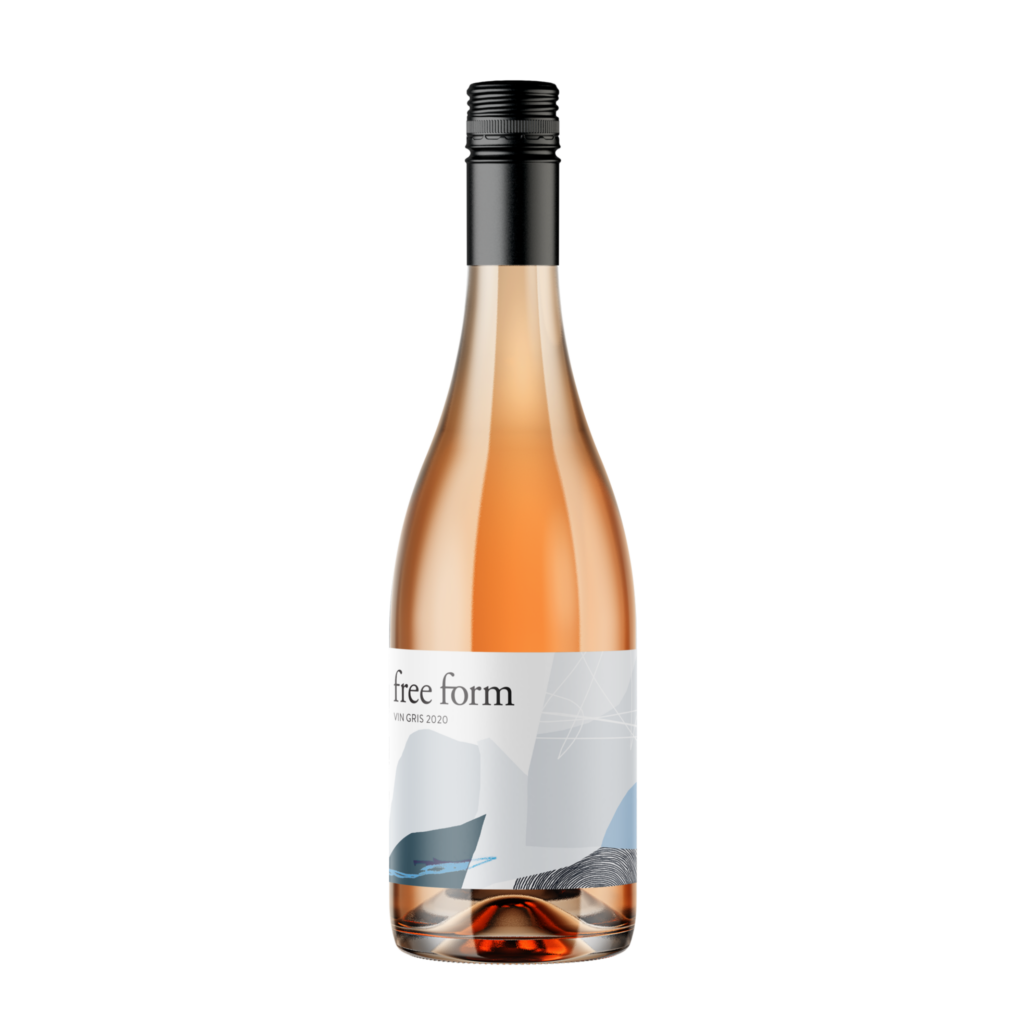
2020 Free Form Vin Gris
Made from Pinot Noir grown at Garnet Valley Ranch, this Vin Gris was whole bunch pressed to small concrete eggs, fermented with natural yeasts, went through full malolactic fermentation, and was bottled unfiltered.
The result is a glossy, silky wine with excellent balance. It highlights the versatility of Pinot Noir in a fresh white-wine style that deserves a slight chill with food.
Why it belongs in this story: it is a direct expression of Garnet Valley Ranch and Free Form’s low-intervention, place-driven philosophy, connecting farming choices to a wine that could only come from its vineyard and vintage.
Serving idea: chill slightly and pour with food.
Regeneration is a long-term commitment
Regenerative farming does not happen in a single season. It is built through years of observation, adaptation, and care.
It asks us to think beyond the next harvest and consider how today’s decisions will shape the land decades from now.
At Garnet Valley Ranch and across the OCP farming program, that means protecting native ecosystems, building healthier soils, making room for wildlife, and farming in a way that supports both quality wine and a thriving landscape. It means seeing the vineyard not as separate from nature, but as part of it.
And for Okanagan Crush Pad, that is the heart of regenerative farming: caring for the land so it can continue to give back, vintage after vintage.
Interested in trying these wines?
From July 8-10, 2026 only, receive 10% off for 6 bottle purchases with a flat $10 shipping rate, or 15% off 12 bottles with free shipping. Mix and match available.